In This Article
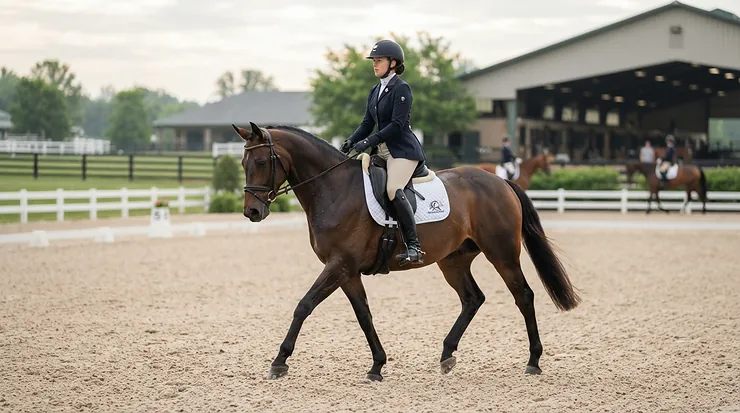
A double bridle for dressage carries two bits and four reins: a slim snaffle called the bridoon, plus a curb called the Weymouth bit. Each bit has its own rein, so you can send separate, finer signals. It suits educated horses and quiet, independent hands.
Think of a snaffle as a felt-tip pen and a double bridle as a fountain pen. In skilled hands it writes beautifully. In clumsy ones it blots the page. That is why the double bridle divides opinion, and why buying one deserves more thought than clicking “add to basket”.
There is a practical catch too. Most doubles are sold as headpiece and cheekpieces only. Many come without reins, and almost none include the two bits, so a bridle that looks like £150 can become £400 once you add a Weymouth bit, a bridoon, a curb chain and reins. This guide covers seven real models from budget to premium. It also covers sizing, bit selection and what the rulebooks say in 2026, when the FEI began letting riders choose a snaffle at Grand Prix up to CDI3*.
One honest note on method. I haven’t ridden in any of these bridles. Everything below comes from spec analysis, published trade-press assessments (chiefly Horse & Hound’s 2025 buying guide), British Dressage guidance and FEI documents. Amazon star ratings move daily, so read recent verified-purchase reviews on each listing before you buy.
Double Bridle for Dressage: Quick Comparison of the 7 Picks
| Product | Best For | Headpiece Style | Reins Included? | Price Range |
|---|---|---|---|---|
| Kincade Show Weymouth Bridle | Budget, home schooling and showing | Plain flat cavesson | Yes (laced snaffle and curb) | Around £45-£70 |
| HKM Grace | Affordable dressage sparkle | Padded, chin pad | Yes (two sets) | Around £100-£110 |
| Shires Velociti Lusso Elite | Mid-range comfort without a big spend | All-in-one monocrown | No | Around £135-£180 |
| Waldhausen S-Line Timeless | Classic competition look | Anatomical, padded | Check listing | High-£100s |
| LeMieux Kudos | Best off-the-peg dressage value | Anatomical, cutaway, crank | No | Low-£200s |
| Fairfax Double Bridle | Pressure-mapped premium comfort | Engineered anatomical | No | From around £500 |
| Finesse Cassidy Rolled | Sensitive, tension-prone horses | TMJ-avoiding headpiece | No | £600+ |
Looking at the table, HKM Grace and Kincade Show Weymouth Bridle are the only options where reins arrive in the box. That closes some of the price gap with the mid-range models, which all need reins bought separately. LeMieux Kudos sits at the sweet spot between comfort engineering and cost. Above that, Fairfax Double Bridle and Finesse Cassidy Rolled are for riders who already know the horse benefits from finer fit.
💬 Just one click — help others make better buying decisions too!😊
Top 7 Double Bridle for Dressage Models: Expert Analysis
Each verdict below is analysis, not hands-on testing. Prices are ranges, so check the current price. Availability through amazon.co.uk varies by seller and size.
1. Kincade Show Weymouth Bridle — best budget way into double-bridle riding
Strip away the crystals and this is the bridle equivalent of a good white shirt. It is a flat-hunt style double with plain leather and a flat cavesson. It comes in cob or full, in black or brown.
Both a laced snaffle rein and a curb rein are included, which is unusual at any price. That saves you the extra spend most other bridles demand. A cavesson is also one of the two noseband types British Dressage guidance says can be used with a double.
On paper, the lack of padding is the compromise. Horses that are reactive at the poll may prefer a more shaped headpiece. Horse & Hound’s guide singled it out as good value for showing-style riders. It also noted the leather isn’t as supple as pricier options. I couldn’t verify a meaningful pool of Amazon UK reviews, so treat that as the trade-press view rather than customer consensus.
Pros:
- ✅ Both curb and snaffle reins included
- ✅ Classic flat cavesson look
- ✅ Very low entry price
Cons:
- ❌ No padding or anatomical shaping
- ❌ Leather less supple than premium options
Expect to pay around £45-£70. For riders trialling a double before committing, the value verdict is strong.
2. HKM Grace — affordable padding with a touch of crystal
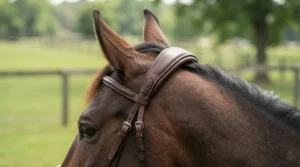
The HKM Grace goes for glamour on a sensible budget. It has a padded headpiece, a chin pad and a curved browband with crystal accents. Sizes are pony, cob and full, in black only.
Two sets of leather reins and stainless steel fittings are included. That matters because reins are the hidden cost of most doubles. The padding around the poll should spread pressure better than plain leather, though it isn’t a truly anatomical design.
I’d frame this as the sensible upgrade from the Kincade Show Weymouth Bridle for riders who want a dressage look. Horse & Hound’s reviewer described the leather and detailing as good for the money. The same guide noted the build is simpler than premium doubles, with fewer anatomical features. Verified customer reviews weren’t something I could reliably aggregate, so scan recent ones for comments on sizing and leather quality.
Pros:
- ✅ Padded headpiece and chin pad
- ✅ Two sets of leather reins included
- ✅ Crystal browband looks smart for shows
Cons:
- ❌ Fewer anatomical features than pricier bridles
- ❌ Only offered in black
Budget around £100-£110. That’s good value when reins are included.
3. Shires Velociti Lusso Elite — sleek all-in-one headpiece for mid-range money
Most doubles wear a separate sliphead for the bridoon, which adds straps around the ears and browband. The Shires Velociti Lusso Elite avoids that with an all-in-one headpiece. That reduces bulk and eases pinching at the poll and ears. It has a deep, tapered padded noseband and eco-friendly leather. It comes in black, in cob, full and extra-full.
The all-in-one design makes fitting simpler. There’s one piece to adjust rather than two layered together. Shires’ Velociti range is also modular, so replacement parts can be bought individually. That’s useful if your horse sits between sizes.
Reins are sold separately, so budget for them. Horse & Hound called it a smart choice for a premium feel without a new credit card. I couldn’t verify an aggregated set of Amazon reviews for this exact model, so check recent ones for leather-quality comments.
Pros:
- ✅ All-in-one headpiece reduces bulk and pinching
- ✅ Deep, padded noseband
- ✅ Modular range makes replacements easy
Cons:
- ❌ Reins not included
- ❌ Black only
Prices sit around £135-£180 depending on seller. It offers the best comfort-per-pound in the middle of the market.
4. Waldhausen S-Line Timeless — the classic competition look
German brand Waldhausen has a reputation for tidy, traditional dressage tack, and the Waldhausen S-Line Timeless follows that. It has an anatomical headpiece that relieves the poll and ears, gentle padding and a pull-back noseband shape. A curved browband with fine crystals adds polish without overdoing it. It is made from European leather, in black only.
The sizing is the catch. It is available in cob or full only, so extra-full heads and small ponies are left out. Anyone with a large Warmblood should check the measurements carefully before ordering.
Horse & Hound placed it as a well-priced route to a classic competition appearance. That’s my reading too. The design is restrained rather than experimental, which suits riders who want a safe, conventional fit. I couldn’t confirm whether reins are included on every Amazon listing, so check.
Pros:
- ✅ Padded, shaped headpiece for poll comfort
- ✅ Tasteful crystal browband
- ✅ Soft European leather from first use
Cons:
- ❌ Only cob or full sizes
- ❌ No adjustable extras for unusual head shapes
Expect the high-£100s. It’s a competent, unshowy choice for a double bridle for competition.
5. LeMieux Kudos — best value for a dressage-specific fit
Horse & Hound’s quick guide named the LeMieux Kudos its best-value double bridle for dressage, and the spec sheet explains why. The padded headpiece is anatomically shaped and cut back around the ears and poll. The wide crank noseband gives a stable feel without excess bulk. Contrast white padding gives it a crisp, modern look, or you can choose all black. Sizes run pony, cob, full and extra-full, and the leather comes pre-oiled and soft from the start.
The size range is the practical advantage. Most rivals stop at full, so extra-full is genuinely useful for bigger Warmbloods. Reins aren’t included, so factor those in.
This is the bridle I’d point to first for riders wanting a bridle that works out of the box for many heads. There is no hands-on verdict here, but the trade-press consensus is positive. As always, check recent verified reviews for comments on browband and cheekpiece fit.
Pros:
- ✅ Anatomical cutaway for ears and poll
- ✅ Four sizes including extra-full
- ✅ Pre-oiled leather, soft immediately
Cons:
- ❌ Reins must be bought separately
- ❌ White padding needs regular cleaning
Look for prices in the low-£200s. It’s a solid value pick for regular competitors.
6. Fairfax Double Bridle — premium pressure-mapped engineering
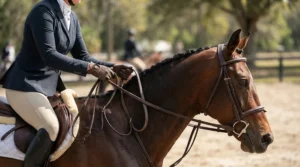
If comfort is your obsession, the Fairfax Double Bridle is the most technically ambitious option here. It was developed with scientists and vets to relieve pressure in six areas, including the poll, nose and jaw, using Prolite lining. Fairfax’s own pressure-mapping studies claim up to 84% less pressure and 77% less force. Those are manufacturer figures, so treat them as marketing until independently replicated.
It is handmade in Walsall from English leather. Articulation rings let the noseband move with the horse’s stride instead of holding it rigid. Sizes are fine, standard and full, in black or brown, with several browband options.
The price is the obvious hurdle, and reins aren’t included. For a horse that’s demonstrably sensitive to headpiece pressure, though, investing here can be cheaper than repeatedly trying and replacing bridles that don’t fit. I couldn’t verify a robust pool of Amazon reviews, so lean on the trade-press assessment.
Pros:
- ✅ Designed with pressure mapping and gait analysis
- ✅ Handmade English leather, many customisation options
- ✅ Noseband articulation follows the horse’s movement
Cons:
- ❌ Serious investment from around £500
- ❌ Reins not included
Expect to pay from roughly £500. It’s worth it only if fit issues justify the spend.
7. Finesse Cassidy Rolled — for tension-prone horses and top-level ambition
The Finesse Cassidy Rolled is a favourite among dressage competitors, according to Horse & Hound. The headpiece was pressure-tested by the University of Copenhagen to avoid the temporomandibular joint (TMJ), the hinge below the ears. It spreads load across the poll instead. The vegetable-tanned leather has rolled edges and is soft from day one. The wide padded crank noseband is removable, and the browband changes quickly. Sizes are pony, cob, full and extra-full, in black or brown with several customisation options.
Horse & Hound’s reviewer, who owns the snaffle version, offers two cautions. Storage matters, because hanging it on a severe hook can make the headpiece lose its shape. The mobile browband and pad can also take some adjusting to sit right.
Reins aren’t included, and at its price this is a luxury for horses who genuinely benefit from the design. I couldn’t verify a solid pool of Amazon reviews.
Pros:
- ✅ Headpiece designed to avoid the TMJ
- ✅ Soft rolled leather, removable noseband
- ✅ Four sizes and wide customisation
Cons:
- ❌ High price, reins not included
- ❌ Browband and pad need careful adjusting
Budget upwards of £600. For sensitive horses, the value case is convincing.
Top 7 Comparison: Sizes, Colours and Price Ranges
| Product | Sizes | Colours | Price Range | Trade-Press Verdict |
|---|---|---|---|---|
| Kincade Show Weymouth Bridle | Cob, full | Black, brown | £45-£70 | Good-value show double |
| HKM Grace | Pony, cob, full | Black | £100-£110 | Style with everyday usability |
| Shires Velociti Lusso Elite | Cob, full, extra-full | Black | £135-£180 | Premium feel, sensible spend |
| Waldhausen S-Line Timeless | Cob, full | Black | High-£100s | Well-priced classic look |
| LeMieux Kudos | Pony to extra-full | Black, black/white | Low-£200s | Best value for dressage |
| Fairfax Double Bridle | Fine, standard, full | Black, brown | From £500 | Best premium dressage |
| Finesse Cassidy Rolled | Pony to extra-full | Black, brown | £600+ | Top comfort pick |
The pattern is clear: price buys shaping and customisation rather than a fundamentally different function. HKM Grace and Shires Velociti Lusso Elite give most riders 80% of the comfort at a fraction of the cost of the top two. If your horse is already fussy in a snaffle, that jump to Fairfax Double Bridle or Finesse Cassidy Rolled may repay itself.
How to Choose a Double Bridle for Dressage
- Check the horse is ready. Your horse should be confident, balanced and correctly muscled in a snaffle first. British Dressage coach Steph Bradley and vet physio Amy Burr stress this: a double highlights problems, it doesn’t fix them.
- Assess mouth conformation. A low palate, large tongue or fleshy lips may leave little room for two bits, especially in cobs, Lusitanos, Andalusians and some Warmbloods.
- Choose the headpiece. Anatomical or monocrown styles reduce clutter around the ears, but only if they fit and don’t dig in.
- Pick the noseband. Only a cavesson or crank is allowed with a double, so a flash isn’t an option. Avoid over-tightening.
- Budget the whole package. Add the Weymouth bit, bridoon, curb chain, lip strap and reins.
- Match to your competition plans. If you’re targeting FEI levels, check current rules before buying.
- Consider a bit fitter. They stock bits to try, which beats buying blind.
Notice that step one has nothing to do with shopping. That is deliberate. The best double bridle for dressage in the world won’t make an unready horse comfortable.
Double Bridle Sizing: Getting Bridle and Bits Right
Double bridle sizing has two separate parts: the leather and the metal.
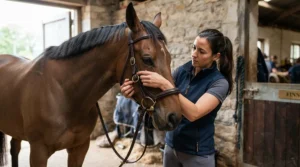
For leather, most UK brands use Pony, Cob, Full and Extra-Full. The most dependable method is to measure a bridle that already fits, strap by strap (headpiece, cheekpieces, noseband). Then match the nearest size. If your horse sits between sizes, modular ranges let you mix parts.
For the bits, precision matters far more. The Weymouth should generally be about a quarter of an inch smaller than the bridoon. Too narrow a Weymouth pinches the lips against the shanks. Too wide and the lips get caught between curb and chain.
British Dressage’s magazine quotes bitting specialists saying the bits should sit separately and independently, and the Weymouth should fit the tongue “like a jigsaw piece”. On short-mouthed Warmblood crosses, the bridoon may need to sit higher, so check the lips aren’t overly stretched.
Bits can also shift up to an inch when you take up the contact. That’s why the space between the canines and molars matters, and why removing wolf teeth is usually advised. Good double bridle sizing isn’t a numbers game. It means the horse can actually move its tongue and jaw.
Double Bridle with Weymouth Bit: How the Curb Actually Works
A double bridle with Weymouth bit adds leverage. The mouthpiece sits on the tongue and bars, while the shanks act on the poll via the crown and on the chin groove via the curb chain. The chain also stops the bit over-rotating.
Shank length changes the feel. A 5cm shank is generally used on sensitive horses that back off the contact. A 7cm shank is the popular all-rounder, and 9cm suits stronger horses needing extra control. Tongue clearance matters too. The FEI’s 2026 tack requirements allow a tongue-relief deviation of up to 30mm, and set specific rules on curb chains and covers (leather, rubber or sheepskin).
When buying a Weymouth bit, look for a shape that leaves room for the tongue rather than pinching it. A fixed cheek gives little relief from pressure, so many riders choose sliding versions. Quality Weymouth bits from major makers can be expensive, with some retailers listing them from over €250. Ask a bit fitter before spending that.
A double bridle with Weymouth bit isn’t harsh by design. It amplifies whatever the hand does, for better or worse.
The Bridoon: The Small Snaffle Doing the Big Job
The bridoon is a thinner, lighter snaffle with smaller rings than a standard one, designed so two bits fit in one mouth. It works like an ordinary snaffle, on the lips, tongue and bars of the mouth. The bridoon maintains the primary connection, while the curb rein refines communication.
The FEI allows bridoons with loose ring or eggbutt cheeks and one or two joints. A barrel or ball centre link is permitted if the surface is solid, with no moving parts other than a roller.
Loose ring bridoons encourage chewing and salivation, a soft jaw sign many riders prize. They can pinch if the mouthpiece holes are large, so a bit guard may help.
Choosing a bridoon is about matching the horse’s preference for jointed or double-jointed action. Retailers list bridoons in a wide range of materials and prices. A stainless single-jointed bridoon costs a fraction of a premium Sensogan version, though comfort varies by horse. For a first double bridle for dressage, start with a good stainless bridoon, and upgrade only if your horse shows a preference.
A convenient cost tip from Horse & Hound: it may be possible to convert a cavesson snaffle with a sliphead to carry the bridoon. That can save buying a whole new bridle.
Double Bridle for Competition: British Dressage and FEI Rules in 2026
For a double bridle for competition, the rules depend on your level and governing body. British Dressage allows double bridles from Elementary, but never requires them. Even a Grand Prix test can be ridden in a snaffle under BD rules. Only a cavesson or crank noseband is allowed with a double, and a flash isn’t permitted.
Internationally, the picture is changing. The FEI has allowed riders to choose between a snaffle or double bridle at Grand Prix up to and including CDI3* since the start of 2026. Calls continue for the same choice at four- and five-star shows, and the FEI is evaluating data. Above CDI3*, a double is still required at the time of research.
The FEI also publishes detailed tack and equipment requirements covering bit shapes, curb chains and bridoon construction. Always check the current documents before a show.
Two practical points follow. First, a double bridle for competition must be legal in its entirety, not just the headpiece. Second, rules get revised regularly, so verify them each season.
Double Bridle vs Snaffle Bridle for Dressage
| Factor | Double Bridle | Snaffle Bridle |
|---|---|---|
| Aids | Two independent rein signals | One rein signal |
| Rider skill needed | High: four reins, quiet hands | Moderate |
| Cost (full setup) | Higher: two bits, more leather | Lower |
| Competition use | Optional in BD from Elementary; required above CDI3* | Allowed in BD; optional up to CDI3* under FEI |
| Best For | Educated horses and quiet hands | Young, green or sensitive horses |
The double bridle offers refinement, but it demands more from the rider, and it makes problems harder to hide. As Horse & Hound put it, it’s a tool for experienced riders and well-schooled horses, not a shortcut. One summary of research in elite dressage horses reports similar total rein forces between snaffle and double, which suggests the difference lies more in how it’s used than in raw pressure. For most riders below advanced level, staying in a snaffle is perfectly respectable.
Long-Term Cost and Maintenance
| Item | Typical Range | Notes |
|---|---|---|
| Budget bridle | £45-£110 | May include reins |
| Mid-range bridle | £135-£230 | Reins usually extra |
| Premium bridle | £500+ | Reins extra |
| Weymouth bit | Varies widely | Some listed over €250 |
| Bridoon | Varies widely | Stainless is cheapest |
| Curb chain and lip strap | Small extra | Don’t forget them |
Total cost of ownership is dominated by the bits and reins, not the bridle. A £100 bridle plus premium bits can cost more than a £230 bridle with basic bits, so price the whole package.
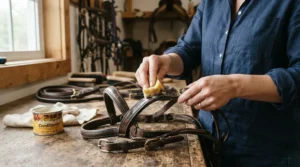
Leather care is straightforward. Oil a new economy bridle lightly before first use, then clean regularly with saddle soap and condition it. Avoid soaking or drying near direct heat, as this cracks the leather. Store bridles on a rounded bridle bracket to protect the headpiece shape.
Because all four cheekpieces and reins wear differently, inspect stitching and buckles every few weeks.
✨ Don’t Miss These Exclusive Deals!
🔍 Take your dressage tack to the next level with these carefully selected bridles. Click on any highlighted item to check current pricing and availability. These picks will help you build a set-up that suits your horse!
Fitting and Introducing a Double Bridle: Your First 30 Days
Buying the bridle is the easy part. Introducing it well decides whether it works.
Week 1: fit and feel. Have the bits checked by a bit fitter if possible. Before the reins go on, look at where the horse puts its tongue. If it’s retracted or pulled to one side, something is uncomfortable.
Week 1-2: ride off the bridoon. Ride in an arena at first and start on the bridoon rein only. That lets the horse adjust to the extra weight in its mouth. British Dressage’s coaches advise short, positive sessions, such as hacking or 20-minute schooling, for the first few weeks.
Week 3: add the curb gently. Keep the curb rein subtle. Get someone to film you, because a horse that feels light in the contact may still have its tongue retracted and mouth open.
Week 4: replicate a test. Ride a whole test at home before competing. If resistance to flexion appears, return to the snaffle for a ride and reassess fit.
Common mistakes in the first 30 days include over-tightening the noseband (which creates tension in the hyoid and can travel through to the hindlegs), rushing to strong contact, and ignoring bridling reluctance.
Double Bridle Problems and Practical Fixes
Problem: head-shyness or ear-pinning when bridling. Suspect poll or ear pressure. Try a monocrown or anatomical design such as Shires Velociti Lusso Elite or LeMieux Kudos, and check nothing digs into the ears.
Problem: lips pinched or bits clattering on teeth. Sizing is usually the culprit. Revisit the Weymouth-to-bridoon width difference and consider a bit fitter.
Problem: tongue retracted or mouth opening. You can’t hide it with a flash, so treat it as feedback. Loosen the noseband, film your rides and review the bits.
Problem: confusing four reins. Choose reins with notches or rubber lining to help you keep length consistent. British Dressage guidance says the curb rein is usually the thinnest.
Problem: headpiece losing shape. Follow the storage advice earlier. The reviewer’s warning about Finesse Cassidy Rolled applies to any padded headpiece.
If a fix doesn’t work within a few rides, drop back to the snaffle and reassess. Persistence isn’t a virtue when a horse is clearly uncomfortable.
Which Double Bridle for Which Rider: Three Scenarios
The weekend amateur. A rider working towards Elementary on a schoolmaster, riding four times a week at a livery yard, with a budget of roughly £300 all-in. HKM Grace covers the reins, and a mid-range stainless bridoon and Weymouth bit fill out the rest.
The Warmblood with a sensitive poll. A gelding that fusses in traditional bridles, ridden daily at Medium level, with a bridle budget nearer £250. LeMieux Kudos or Shires Velociti Lusso Elite address ear and poll pressure at sensible prices. The extra-full size in the LeMieux Kudos helps a bigger head.
The FEI-aspiring competitor. Someone targeting CDI3* and above, riding six days a week with no cost ceiling. Fairfax Double Bridle or Finesse Cassidy Rolled justify their price if the horse is tension-prone, and a professional bit fit is essential.
For a showing-type or hunter, Kincade Show Weymouth Bridle offers the plain, traditional look with reins thrown in. Matching bridle to the rider’s situation beats chasing the priciest label.
Common Mistakes When Buying a Double Bridle for Dressage
The first mistake is buying the bridle before checking the horse is ready. The second is forgetting the extras. The Weymouth, bridoon, curb chain, lip strap and reins can outweigh the bridle’s price. The third is trusting size labels alone, when double bridle sizing depends on actual mouth and head measurements.
A fourth is choosing sparkle over fit. A crystal browband looks lovely but does nothing for the poll. A fifth is skipping the rules check, particularly around noseband type and bit design. Finally, some riders assume a double will fix contact problems. Trainers and bit fitters say the opposite: it exposes them.
Remember that marketplace listings vary. One Amazon UK listing I came across for a different double bridle was sent from and sold by Amazon US. Check delivery, returns and who the seller is before ordering leather goods that need to be right.
Frequently Asked Questions
❓ Do double bridles come with the bits?
❓ Can I convert a snaffle bridle into a double?
❓ How much should I budget for a double bridle for competition?
❓ Which shank length suits a sensitive horse?
❓ Is a double bridle harsh on the horse?
Conclusion
Choosing a double bridle for dressage is less about the bridle than the partnership. The seven models above cover every budget. Kincade Show Weymouth Bridle and HKM Grace keep costs low with reins included. Shires Velociti Lusso Elite, Waldhausen S-Line Timeless and LeMieux Kudos deliver real comfort features in the middle of the market. At the top, Fairfax Double Bridle and Finesse Cassidy Rolled offer engineered fit for horses that need it.
Whichever you pick, remember the essentials. Check the horse is ready and get the double bridle sizing right. Budget for a matching Weymouth bit and bridoon, and confirm your double bridle for competition meets current rules. The FEI’s 2026 flexibility up to CDI3* shows the sport is still debating when a double is truly necessary, so there’s no shame in staying in a snaffle.
Introduce any new set-up slowly, film your rides and listen to what the horse tells you. A double bridle with Weymouth bit should make the conversation quieter, not louder.
✨ Ready to Upgrade Your Dressage Tack?
🔍 Click any highlighted bridle above to check current pricing and availability on Amazon UK. Choose a fit that suits your horse, and enjoy quieter, more refined communication!
Recommended for You
- Affordable Stirrup Leathers: 7 Best Value Picks for 2026
- Affordable Stainless Steel Stirrups: 7 Best UK Picks (2026)
- Affordable Safety Stirrups: 7 Best Picks to Ride Safer in 2026
Disclaimer: This article contains affiliate links. As an Amazon Associate, I earn from qualifying purchases. If you purchase products through these links, we may earn a small commission at no additional cost to you.
✨ Found this helpful? Share it with your friends! 💬🤗
