In This Article
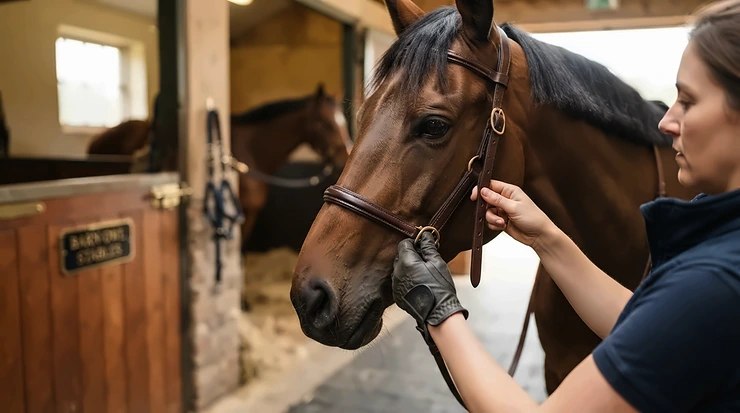
A show bridle for showing is the one bit of kit judges look at before they’ve even clocked your horse’s paces — which feels a little unfair, but that’s the game. A show bridle is a fine, plain (or subtly decorated) leather headpiece designed to frame a horse’s face, sit close to the bone structure, and disappear into the overall picture rather than distract from it — the opposite job of a working schooling bridle. Get it right and the judge’s eye glides straight to your horse’s expression, ears and topline. Get it wrong — a browband that’s too wide, cheekpieces that swamp a fine pony head — and you’ve handed the judge a reason to look elsewhere before you’ve even walked a circle.

I’ve spent a good chunk of this piece pulling apart what actually separates a bridle that “does the job” from one that genuinely helps a horse place — the leather, the browband shape, the fit philosophy behind in-hand versus ridden showing tack. General showing guidance across saddlery advice consistently points to plain brown or black leather as the safe, correct choice in the ring, with the class rules ultimately dictating exactly what’s expected. None of it is arbitrary — every strap and buckle placement has a reason rooted in decades of show ring tradition.
This guide covers seven real, currently available bridles spanning budget to premium, a proper look at rolled leather versus flat leather, browband styles that actually flatter (plaited included), and where in-hand show bridles fit into the picture. All prices are given as ranges because — full disclosure — Amazon prices shift week to week, so treat any figure here as a ballpark to check at the time of buying.
Quick Comparison Table
| Bridle | Leather Style | Best For | Price Range |
|---|---|---|---|
| Windsor Equestrian Horses Bridle | Flat, rubber-grip reins | Budget first bridle | Under £35 |
| Shires Aviemore Plain Bridle | Flat, plain classic | Everyday showing/schooling crossover | £35-£45 |
| SIE Leather Rolled Horse Bridle | Rolled, padded crown | Budget rolled leather look | £35-£50 |
| Shires Velociti GARA Plain In-Hand Bridle | Flat, bit-free | In-hand showing classes | Under £35 |
| John Whitaker Lynton Snaffle Bridle | Raised, spare browband | Show bridle with browband swap | £45-£65 |
| Collegiate Syntovia+ Padded Cavesson | Raised, anatomically padded | Comfort-first showing | £45-£60 |
| Shires Velociti RAPIDA Hunter Cavesson | Rolled/raised hunter cut | Rolled leather show bridle for hunter classes | £55-£70 |
Looking at the spread, there’s a genuine price-to-purpose logic at play here rather than just “cheap versus expensive.” The Windsor Equestrian Horses Bridle and SIE Leather Rolled Horse Bridle cover anyone testing the showing waters without committing serious money, while the John Whitaker Lynton Snaffle Bridle and Shires Velociti RAPIDA Hunter Cavesson earn their higher price tags through rolled or raised leatherwork that genuinely reads better from ringside. The Shires Velociti GARA Plain In-Hand Bridle sits apart from the rest because it’s solving a completely different problem — no bit, no rein attachment fuss, just a clean headcollar-bridle hybrid for leading a horse round a triangle.
💬 Found a bridle that fits your budget? Tap through to check today’s price before it changes!
Top 7 Show Bridles for Showing: Expert Analysis
Right, let’s get into the actual hardware. Every bridle below is a real, currently listed product — no invented models, no fictional brands, because nothing kills credibility faster than recommending something that doesn’t exist.
1. Windsor Equestrian Horses Bridle — best genuinely cheap entry point
The headline feature here is simple honesty: this is a full-leather bridle that doesn’t pretend to be anything grander than it is, and it does the basics properly. Genuine leather construction with rubber-grip reins bundled in means you’re not immediately shopping for a separate rein set, which is where a lot of “budget” bridles sneak their real cost back in. The flat cheekpieces and browband are plain and unfussy — exactly the workmanlike look novice and family showing classes actually reward, since judges in lower-level classes are typically marking the horse, not the tack’s pedigree.
Who it suits: first-time showing parents kitting out a family pony, or anyone who wants a spare bridle in the lorry without remortgaging for it. Reviewers commonly describe it as remarkable value for money, with several comparing it favourably to bridles costing two or three times as much — a sentiment worth taking seriously given how saturated the budget end of the tack market is with genuinely disappointing stitching. A few reviewers do flag that the browband can run slightly generously sized on finer-headed types, so measure before you buy rather than guessing.
Pros:
- ✅ Full genuine leather at a proper budget price point
- ✅ Rubber-grip reins included, no extra spend needed
- ✅ Strong, consistent value-for-money feedback from buyers
Cons:
- ❌ Browband can sit generously on narrower, finer heads
- ❌ Plain flat leather won’t compete visually in open classes
At under £35, this is close to disposable-income territory for a spare or starter bridle, and the value verdict is straightforward: for novice and unaffiliated showing, it earns its keep several times over.

2. Shires Aviemore Plain Bridle — best everyday showing and schooling crossover
Shires has built an entire reputation on bridles that quietly do their job without drama, and the Aviemore is the brand’s dependable middle child. The standout here is versatility — this is plain leather cut cleanly enough to pass muster in a local show ring on Saturday and then go straight back into Sunday’s schooling session without missing a beat. The stitching sits flush rather than proud, which keeps the overall silhouette tidy against a horse’s face.
Practically speaking, the padded crown piece takes pressure off the poll during long warm-up sessions before a class — genuinely useful if you’re stood ringside for twenty minutes waiting for your number to be called. Shires’ plain bridles from this range have built a strong following among UK buyers, consistently rated highly for the price bracket they sit in, which tracks with how often you’ll see the brand’s black leather in warm-up rings at unaffiliated shows. It suits riders who want one bridle that earns its keep across both showing and everyday hacking rather than a dedicated show-only piece gathering dust in the tack room all winter.
Pros:
- ✅ Doubles up for showing and daily schooling use
- ✅ Padded crown piece for poll comfort
- ✅ Well-established brand with wide size availability
Cons:
- ❌ Flat leather styling won’t stand out in competitive classes
- ❌ Reins sold separately from some listings — check the bundle
Sitting in the £35-£45 range, it’s the sensible middle-ground pick — not the flashiest bridle in this list, but arguably the one that gets used the most.
3. SIE Leather Rolled Horse Bridle — best budget rolled leather look
Rolled leather is the detail that separates “nice bridle” from “show bridle,” and this is where that look becomes accessible without premium pricing. The standout is the rolled construction itself — cheekpieces and browband rolled into a slim, rounded profile rather than left flat, which catches the light differently and gives a noticeably more finished appearance against a horse’s face. It arrives with matching rolled reins, so you’re not mixing rolled leather up top with flat reins below, a mismatch that judges with a keen eye do notice.
The padded crown piece is worth flagging on the practical side: rolled leather can sit slightly firmer than flat leather until it’s properly worked in, so extra crown padding genuinely earns its place rather than being a marketing add-on. Buyers describe it fitting nicely and being reasonably priced for what it delivers, and the overall reputation lines up with what you’d expect from a budget rolled bridle — solid, if not quite at the hand-finished standard of pricier competitors. It’s best suited to riders wanting the rolled aesthetic for local and county-level classes without the investment a premium rolled bridle demands.
Pros:
- ✅ Rolled leather look at a genuinely accessible price
- ✅ Matching rolled reins included, no mismatched set
- ✅ Padded crown compensates for firmer rolled leather
Cons:
- ❌ Rolled stitching less refined than premium hand-rolled bridles
- ❌ Smaller seller base means fewer size/colour options
Priced in the £35-£50 range, it’s the pick for anyone who wants the classic rolled show look without the classic rolled show price.
4. Shires Velociti GARA Plain In-Hand Bridle — best in-hand show bridle
This one solves a specific problem: leading a horse in-hand for showing classes means you need control and presentation without a bit getting in the way of a relaxed, expressive head carriage. The standout feature is the bit-free design — essentially a fine leather headcollar built to bridle proportions, with a lead rein attachment under the chin rather than bit rings either side of the mouth. That distinction matters more than it sounds; a fidgety young horse being led for the first few times shows far better mouth relaxation without metal in it.
The fine, flat leather keeps the whole thing lightweight on the horse’s head, which particularly suits youngstock, broodmares and in-hand breed classes where judges are assessing conformation, not way of going under saddle. In-hand bridles are the standard choice for leading youngstock and broodmares in showing classes, so this style isn’t a shortcut — it’s genuinely the correct tool for that specific job. Reviewers in the wider Shires Velociti range consistently mention easy adjustability across a range of head sizes, useful if you’re leading multiple youngsters from the same yard.
Pros:
- ✅ Purpose-built bit-free design for in-hand classes
- ✅ Lightweight leather suits youngstock and broodmares
- ✅ Easy multi-point adjustment across head shapes
Cons:
- ❌ Not usable for ridden showing classes at all
- ❌ Limited decorative browband options compared to ridden bridles
At under £35, it’s genuinely one of the cheaper items on this list, largely because there’s less hardware — no bit fittings, no reins to match — but don’t mistake the lower price for lower importance if in-hand classes are your focus.
5. John Whitaker Lynton Snaffle Bridle — best show bridle with a browband swap built in
John Whitaker’s name carries real weight in UK show jumping and showing circles, and the standout feature of the Lynton is refreshingly practical: it ships with two browbands — an everyday raised leather one and a diamante “spare” for show days — so one bridle genuinely covers both your yard routine and your ring appearance. The raised noseband and browband give a more structured, defined look than flat leather, with tonal stitching that photographs well under show-ground lighting.
The supple, naturally finished leather is designed to soften with use while both the browband and noseband keep their raised profile, which practically means less time oiling and more time actually riding before a class. It suits competitors who show regularly enough that swapping a bling browband in and out of one bridle makes more sense than owning two separate bridles — a real money and tack-room-space saver once you do the maths. Owners moving between local shows and slightly more affiliated classes tend to appreciate having both options in one purchase.
Pros:
- ✅ Two browbands included — everyday and show-diamante
- ✅ Raised leather gives a more defined show finish
- ✅ Recognised, trusted competition brand
Cons:
- ❌ Reins typically sold separately, adding to total spend
- ❌ Premium pricing compared to plain flat bridles
Sitting around £45-£65, it’s genuinely one bridle doing the work of two — which softens the higher upfront price once you factor in what a second browband alone would otherwise cost.
6. Collegiate Syntovia+ Padded Raised Cavesson Bridle — best comfort-first showing pick
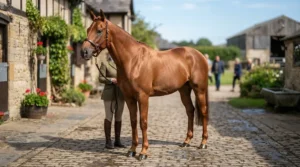
Collegiate built the Syntovia+ range around anatomical comfort, and it shows the moment you look at the crown piece — cut away around the poll and ear area rather than sitting as a flat strap across sensitive nerve-rich bone. The standout feature is genuinely the padding placement, engineered around pressure points rather than slapped on uniformly, which noticeably changes how a horse carries its head when the bridle isn’t quietly nagging at it.
For showing specifically, a horse that isn’t fidgeting against poll pressure holds a calmer, more consistent head carriage in the ring — exactly the picture judges reward in the “manners and way of going” portion of their marking. It’s available across a genuine size range including warmblood fittings, useful if you’re showing anything on the larger side where standard bridle sizing runs tight. The raised noseband and browband keep the show-ready look intact, so comfort doesn’t come at the cost of presentation here.
Pros:
- ✅ Anatomical poll padding reduces pressure discomfort
- ✅ Full size range including warmblood fittings
- ✅ Raised leather maintains a competitive show finish
Cons:
- ❌ Among the pricier options on this list
- ❌ Extra padding adds slight bulk versus fine flat bridles
At roughly £45-£60, it’s an investment justified less by looks and more by what comfort does to a horse’s ring behaviour — which, frankly, judges notice even if they couldn’t tell you exactly why.
7. Shires Velociti RAPIDA Hunter Cavesson Bridle — best rolled leather show bridle for hunter classes
Hunter classes have their own unwritten uniform, and rolled leather with a cavesson noseband is close to non-negotiable at the sharper end of that world. The standout feature is the hunter-cut cavesson shape itself — narrower, more refined through the nose and browband than a standard cavesson, built specifically to echo the traditional hunting-field aesthetic that hunter judges are trained to look for.
The rolled cheekpieces and browband give the fine, rounded silhouette that flat leather simply can’t replicate, and that detail carries real weight in a class where turnout is scored alongside the horse’s way of going. This sits within Shires’ Velociti RAPIDA line, positioned as the brand’s more premium hunter-focused option, which explains the step up in price from the plainer GARA models earlier in this list. It’s the pick for riders taking hunter or working hunter classes seriously rather than dipping a toe in — the kind of bridle that’s earning its cost back in “best turned out” rosettes over a season.
Pros:
- ✅ Purpose-built rolled cavesson for hunter classes
- ✅ Refined, narrow profile suits fine-headed hunter types
- ✅ Premium Shires line with strong show-ring reputation
Cons:
- ❌ Highest price point among the seven featured here
- ❌ Narrow fit may run snug on broader pony/cob heads
At around £55-£70, it’s the most specialised — and most expensive — bridle on this list, but hunter competitors will recognise exactly why that specificity matters.
Practical Usage Guide: Getting a New Show Bridle Ring-Ready
A brand-new bridle straight out of the box rarely looks show-ready — it’s stiff, the leather’s dull, and the stitching hasn’t relaxed into the horse’s face yet. Start by cleaning and conditioning it a full week before your first class, not the night before; leather needs time to absorb conditioner properly rather than just sitting greasy on the surface. Buckle everything up on the horse at home first, checking the browband doesn’t pinch at the base of the ears and the noseband sits two fingers below the cheekbone — fit problems are far easier to spot in the yard than at 7am on show morning with nerves already fraying.
A common first-30-days mistake is over-oiling rolled leather specifically; it’s already been treated during manufacture, and drowning it in extra conditioner can actually soften the rolled stitching and cause it to lose shape faster than plain flat leather would. Instead, a light wipe with a barely damp cloth and a proper leather balm every couple of weeks keeps rolled bridles supple without compromising their structure. For maintenance beyond the first month, strip the bridle down to its component parts every six to eight weeks — buckles and keepers trap grime that a quick wipe-over misses entirely, and that grime is exactly what dulls leather prematurely.
Real-World Scenarios: Which Bridle Actually Fits Your Situation
Picture three genuinely different competitors, because “best show bridle” honestly depends on who’s asking. First, there’s the Pony Club parent with a budget capped at £40 and a pony that’s growing out of everything every six months — the Windsor Equestrian Horses Bridle is the obvious call here, since replacing a £30 bridle annually stings far less than replacing a £65 one. Second, there’s the weekend competitor doing local unaffiliated shows most Saturdays through summer, wanting one bridle for both hacking and showing without owning two — that’s squarely the Shires Aviemore Plain Bridle‘s territory, doubling up without looking obviously “downgraded” for the ring.
Third, there’s the serious hunter class regular chasing county qualifiers, where turnout genuinely factors into placings and a rolled cavesson isn’t optional extra polish — it’s expected kit. That’s where the Shires Velociti RAPIDA Hunter Cavesson earns its higher price tag, because in that specific environment, flat leather quietly costs you marks you’ll never see explained on a score sheet. None of these three riders is wrong; they’re just solving different problems with the same category of object.
How to Choose a Show Bridle for Showing
- Identify your class type first. Native, hunter, riding horse and in-hand classes all carry different unwritten tack expectations — check the schedule and, where affiliated, the governing society’s rule book before buying anything.
- Match leather style to competitiveness level. Flat leather is perfectly acceptable at unaffiliated and novice level; rolled or raised leather starts mattering more as you move toward county and affiliated qualifiers.
- Get the browband width right for the head shape. Too wide and it gapes at the temples; too narrow and it pinches — this single measurement affects the whole bridle’s look more than any other.
- Choose colour by tradition, not preference. Brown remains the traditionally preferred showing colour among many judges, with black also broadly accepted; bright or patterned leather rarely helps in the ring.
- Check reins are included or budget separately. Several bridles on this list bundle reins; others don’t, and forgetting to budget for a matching rein set is a genuinely common first-time buyer mistake.
- Prioritise comfort for classes judging way of going. A horse fighting bridle discomfort moves and carries itself differently — comfort features aren’t vanity, they change how the horse actually performs in front of the judge.
- Buy slightly early, never the week before a big show. Leather needs breaking in and fit needs double-checking; a rushed purchase is how ill-fitting bridles end up in the ring.
Show Bridle vs Everyday Schooling Bridle: What’s Actually Different
The honest answer is: less than tack shops would like you to believe, and more than a casual glance suggests. A schooling bridle is built for durability under daily wear — thicker leather, robust stitching designed to survive being yanked on by a young horse having an opinion about a corner of the arena. A show bridle prioritises refinement over robustness: finer leather, rolled or raised detailing, a browband chosen to flatter rather than simply fasten. Traditional judging still favours brown or black leather kept plain and workmanlike across most showing disciplines, which is precisely the opposite instinct to a lot of modern schooling tack that leans toward padded comfort features and bold colourways.
The practical upshot: you can absolutely show in a good-quality schooling bridle at unaffiliated level and nobody will mark you down heavily for it. But the moment classes get more competitive, that fine rolled leather starts doing quiet work a flat everyday bridle simply can’t — it’s the difference between “adequately turned out” and “turned out to win.”
Browband Styles That Actually Flatter (Or Don’t)
Browband choice is the single most photographed, most scrutinised strap on the whole bridle, and it’s where a lot of showing newcomers get caught out. A plaited browband is the traditional showing standard — woven leather strips that catch light subtly without shouting for attention, and it remains the safest universal choice across most disciplines. Guidance for mountain and moorland classes specifically favours plain browbands, noting metal or clincher styles are permitted but some judges dislike them — a useful reminder that “flashy” isn’t automatically “better” in traditional showing.
Diamante and crystal browbands, like the spare that ships with the John Whitaker Lynton Snaffle Bridle, sit at the more decorative end and suit riding horse, cob and hack classes where a touch of sparkle is generally tolerated, sometimes even expected. The golden rule regardless of style: width should match head size precisely. A browband running even half an inch too wide creates visible gapping at the temples that’s obvious from the judge’s eye line even if you can’t see it from the saddle.
In-Hand Show Bridles for Showing Classes: A Different Job Entirely
In-hand classes ask a completely different question of tack than ridden classes do, and it’s worth understanding why before assuming any bridle will do. In-hand bridles are standard for youngstock and broodmares, while stallions typically move into bridles with proper bits once they pass two years old, which tells you the whole category exists to present a horse’s conformation and movement without a bit influencing head carriage during the process. That’s precisely why the Shires Velociti GARA Plain In-Hand Bridle skips bit rings entirely in favour of a simple lead attachment.
Fit matters even more here than in ridden classes, since a nervous youngster being led in public for possibly the first time needs a bridle that feels secure without restricting a natural, expressive head carriage. Buy slightly adjustable rather than a tight custom fit if you’re showing a growing youngster across a season — you’ll get more use from it before it’s outgrown.
Rolled Leather vs Flat Leather Show Bridles: What Actually Matters
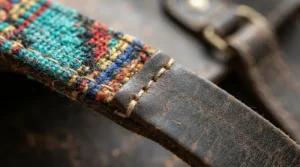
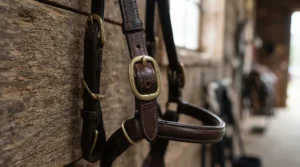
Rolled leather isn’t purely decorative, even though that’s how it often gets sold. The rolling process — leather folded and stitched into a rounded tube rather than left flat — genuinely changes how light hits the bridle, giving a finer, more refined silhouette that flat leather can’t replicate regardless of quality. What the spec sheet won’t tell you: rolled leather also takes noticeably longer to break in and is marginally more prone to stitching wear at stress points like the buckle billets, simply because there’s more leather folded into a smaller area.
Flat leather, by contrast, is more forgiving for first-time buyers — easier to clean, faster to break in, and generally more affordable at comparable quality levels, which is exactly why budget picks like the Windsor Equestrian Horses Bridle stick with it. The honest verdict: rolled leather earns its premium in competitive classes where fine detail is scrutinised closely, but it’s genuinely optional polish rather than a functional necessity at grassroots level.
Common Mistakes When Buying a Show Bridle
Buying on looks alone tops the list — a beautiful rolled bridle photographed on a warmblood will not automatically suit a stocky native pony’s shorter, broader head, and forcing the wrong proportions rarely fools a judge. Skipping the measuring stage is a close second; head size, not horse height, determines bridle size, and cob-sized heads on full-height horses (and vice versa) are more common than most first-time buyers expect. Buying reins as an afterthought trips people up too — several show bridles, including some on this list, don’t include reins, and mismatched leather tones between bridle and reins are exactly the kind of small detail sharp-eyed judges do notice.
Long-Term Cost & Maintenance
A £35 bridle bought fresh every eighteen months versus a £60 bridle properly maintained for four or five seasons ends up costing roughly the same over time — the maths only favours the pricier option if you’re actually willing to clean and condition it regularly. Rolled and raised leather bridles generally need slightly more frequent conditioning to prevent the tighter stitching from drying and cracking, so factor a modest ongoing spend on leather balm into any premium purchase rather than treating the sticker price as the whole cost.
Safety, Regulations & Showing Society Rules
Tack rules aren’t universal, and that catches out more competitors than almost anything else on this list. Tack and equipment rules exist to protect horse and rider safety and promote fairness across competitions, with bridles required to be of conventional design, correctly fitted, and free from excessive or non-standard padding under governing body guidelines. The practical lesson translates well beyond affiliated eventing: always check your specific show’s schedule and governing society rule book before assuming any bridle style is automatically acceptable, since rules genuinely vary by discipline and can change from season to season.

Frequently Asked Questions
❓ What's the difference between a show bridle and a normal bridle?
❓ Is brown or black better for a show bridle?
❓ Do you need a different bridle for in-hand showing classes?
❓ Can I use a plaited browband for any showing class?
❓ How much should I spend on a first show bridle?
Conclusion
Choosing a show bridle for showing really comes down to matching the leather, the browband and the overall finish to exactly where you’re competing and what your horse’s head shape actually needs — not to whichever bridle photographed best on someone else’s horse. Budget bridles like the Windsor Equestrian Horses Bridle genuinely earn their place for novices and growing ponies, while rolled and raised leather options like the Shires Velociti RAPIDA Hunter Cavesson start paying for themselves the moment turnout genuinely factors into your placings. In-hand classes need their own dedicated kit entirely, which is exactly the gap the Shires Velociti GARA Plain In-Hand Bridle fills.
Whichever direction you land on, fit and correct browband width will always outweigh price when it comes to how a bridle actually reads in the ring. Take the time to measure properly, check your class’s specific rules, and the rest genuinely falls into place.
✨ Ready to kit out your show wardrobe? Browse today’s bridle picks and check current prices before your next class! 🐴
Recommended for You
- Double Bridle for Dressage: 7 Best Picks for UK Riders (2026)
- Affordable Stirrup Leathers: 7 Best Value Picks for 2026
- Affordable Stainless Steel Stirrups: 7 Best UK Picks (2026)
Disclaimer: This article contains affiliate links. As an Amazon Associate, I earn from qualifying purchases. If you purchase products through these links, we may earn a small commission at no additional cost to you.
✨ Found this helpful? Share it with your friends! 💬🤗
