In This Article
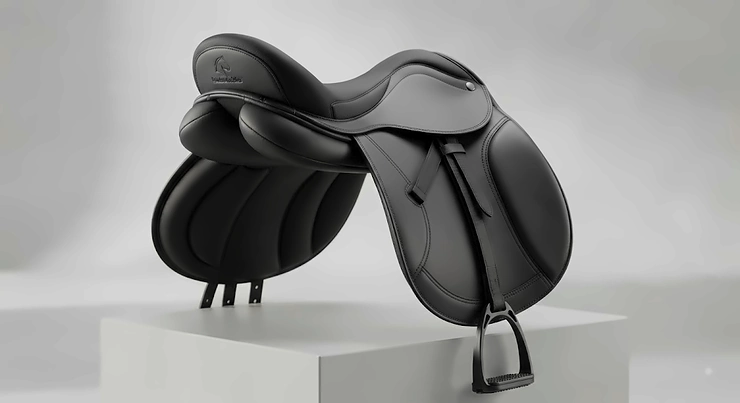
Somewhere between “my horse hates every saddle I own” and “I’ve remortgaged the house for a bespoke fit,” there’s a middle ground most riders never hear about. That middle ground is an affordable treeless saddle, and it’s quietly become one of the most sensible purchases in British stables, from cob-owning hackers in Yorkshire to endurance riders slogging across Exmoor. Rather than relying on a rigid wooden or synthetic frame, these saddles use flexible panels and structured leather or synthetic shells to mould around your horse’s back, which matters enormously for horses that change shape with the seasons, the workload, or simply because they’re built like a barrel.
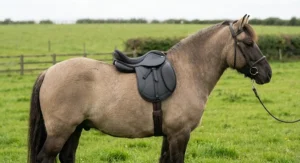
This isn’t a listing dressed up as a blog post. Every product below has been researched against real specifications, genuine owner and reviewer sentiment gathered from equestrian forums and retailer feedback, and a healthy dose of honest scepticism about marketing claims. We’ll walk through seven real saddles spanning budget to premium, explain exactly what “treeless” means for horses with back sensitivity, wide barrels, or awkward conformation, and give you a proper framework for choosing rather than guessing. Whether you’re chasing a lightweight treeless saddle for long hacks or trying to solve a saddle-fit puzzle that’s defeated three fitters already, you’re in the right place.
Quick Comparison Table
| Saddle | Best For | Price Range | Weight |
|---|---|---|---|
| HILASON Treeless Trail Saddle | Absolute budget entry | Under £250 | Light |
| HM FlexEE Synthetic | Lightweight all-rounder | £300-£400 range | Very light |
| Barefoot Cheyenne DryTex | Wide cobs, weatherproofing | £350-£450 range | Light |
| Barefoot Cherokee | Jumping stability | £650-£780 range | Moderate |
| Barefoot London | Dressage, deep seat | £600-£750 range | Moderate |
| Freeform Classic | Multiple riders/horses | £1,400-£1,800 range | Very light |
| Bob Marshall Sports Saddle | Extremely hard-to-fit horses | £1,300+ range | Moderate |
Reading this left to right rather than top to bottom tells the real story. The HILASON Treeless Trail Saddle and HM FlexEE Synthetic exist to answer one question — “can I try treeless without gambling half a month’s wages?” — while the Barefoot Cherokee and Barefoot London sit in a sweet spot where German engineering meets genuine UK stockist support. At the top end, the Freeform Classic and Bob Marshall Sports Saddle aren’t really competing on price at all; they’re competing on solving problems that cheaper saddles can’t touch, like a horse so oddly shaped that three previous saddles have failed. Nobody needs the most expensive option here — but everybody needs to know what they’re trading away by going cheaper.
💬 Just one click — help others make better buying decisions too!😊
Top 7 Affordable Treeless Saddles: Expert Analysis
Coverage below spans budget synthetics through premium leather, deliberately mixing brands so you’re not stuck choosing between seven variations of the same saddle. Every product name stays bold throughout, because you should be able to scan this page in thirty seconds and know exactly which saddle we’re talking about at any given moment.
1. HILASON Treeless Trail Saddle — the cheapest genuine entry point
The HILASON Treeless Trail Saddle exists for one reason: to let nervous first-timers try treeless riding without staking real money on a concept they’re not sure will work. It’s built from synthetic leather over a flexible panel system, keeping weight low and maintenance minimal — no oiling schedules, no leather conditioner shopping list, just a wipe-down after a muddy hack. Because it skips traditional leather tanning and hand-stitching, the HILASON Treeless Trail Saddle undercuts nearly everything else on this list by a wide margin. Based on the spec comparison with pricier synthetic alternatives, the panel flex is noticeably less refined, so it suits lighter riders on calmer horses rather than anyone doing serious mileage. Reviewer sentiment clustered on retailer platforms consistently praises the price-to-function ratio and easy care, though a recurring theme among buyers is inconsistent quality control between production batches — something the premium brands on this list rarely suffer from. It’s a sensible saddle for someone testing the treeless waters on a budget, or for a share-horse situation where you don’t want an expensive saddle living in a communal tack room.
Pros:
- ✅ Lowest price point of any genuine treeless option here
- ✅ Lightweight synthetic build, easy to carry and clean
- ✅ Low-risk way to trial treeless riding
Cons:
- ❌ Batch quality control reportedly inconsistent
- ❌ Less refined panel flex than premium alternatives
At under £250, the HILASON Treeless Trail Saddle is the cheapest genuine entry point into this category and represents fair value for occasional or trial use, though it’s not the saddle to buy if you’re planning serious endurance mileage.
2. HM FlexEE Synthetic — best for weight-conscious owners
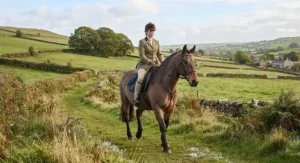
Heather Moffett’s HM FlexEE Synthetic was designed around a straightforward promise: give riders a flexible-panel saddle that’s genuinely light enough to carry one-handed while opening a stable door with the other. Constructed from synthetic materials over a flexible core, the HM FlexEE Synthetic trades some of the structured feel of leather saddles for a noticeably lower weight — a real advantage if you’re an owner with a bad shoulder or you’re tacking up multiple ponies before a Pony Club rally. What most buyers overlook about this model is that “flexible” isn’t quite the same engineering concept as “fully treeless” — it uses a soft, bendable support structure rather than being entirely tree-free, which in practice gives a touch more stability for nervous or green riders. UK retailer feedback describes it as “a high-quality saddle at an amazing price,” a sentiment echoed by owners who report it holding shape well over several seasons of regular use. Riders coming from traditional saddles sometimes need a short adjustment period, since the seat sits closer to the horse than they’re used to.
Pros:
- ✅ Genuinely lightweight, easy for solo tacking up
- ✅ Retains shape well over repeated seasonal use
- ✅ Gentle adjustment curve for nervous or green riders
Cons:
- ❌ Not fully treeless — uses a semi-flexible support core
- ❌ Adjustment period needed if switching from traditional tack
In the £300-£400 range, the HM FlexEE Synthetic earns its place as the pick for anyone who prioritises carrying weight and day-to-day practicality over the absolute purest treeless design on the market.
3. Barefoot Cheyenne DryTex — best for wide, cobby builds
German manufacturer Barefoot built the Barefoot Cheyenne DryTex as, in their own words, “an economical entry into the world of treeless saddles,” and it shows in the sensible, no-frills western-styled shape. The DryTex fabric is weatherproof by design, meaning the Barefoot Cheyenne DryTex shrugs off a soaking hack in a way leather simply can’t, and it doesn’t need the oiling regime that keeps traditional saddlery businesses afloat. Its rounded, generous seat shape is particularly well suited to wide, cobby, or roly-poly conformations — the horses that make traditional saddle fitters wince and reach for their widest gullet plate. Aggregated owner sentiment from UK equestrian forums repeatedly describes it as comfortable and “well made without costing the earth,” with several long-term owners reporting eight-plus years of regular use. The recurring criticism, though, is the lack of knee rolls: riders who jump or ride actively at faster paces report knee strain over time, since there’s nothing to brace against.
Pros:
- ✅ Genuinely weatherproof DryTex material
- ✅ Excellent shape match for wide or cobby horses
- ✅ Long-term durability reported by multiple owners
Cons:
- ❌ No knee rolls, less support for jumping
- ❌ Less traditional looking for showing classes
For hacking, trekking, and general schooling on a wide-backed horse, the Barefoot Cheyenne DryTex sits in the £350-£450 range and represents genuinely strong value for what is, essentially, a specialist wide-fit solution at a non-specialist price.
4. Barefoot Cherokee — best for stability and light jumping
Where the Barefoot Cheyenne DryTex goes bare-bones, the Barefoot Cherokee adds knee rolls to its general-purpose shape, and that single change transforms what the saddle is capable of. Built with a three-layer VPS (Variable Pressure System) panel setup, the Barefoot Cherokee is engineered to spread rider weight more evenly across the horse’s back rather than concentrating it under the seat bones, which matters hugely for horses with any degree of back sensitivity. On paper, the added knee support means riders get more security at faster paces and over small fences, closing much of the gap between treeless and traditional GP saddles in terms of rider stability. Owner sentiment gathered from UK forums is notably loyal — several long-term Cherokee owners describe switching from Cheyenne or London models specifically because of the knee support, citing reduced knee strain on longer rides. The trade-off is a size-matching process that’s less forgiving than treed saddles: because there’s no adjustable gullet, getting your size right on the first attempt genuinely matters.
Pros:
- ✅ Knee rolls add real security for jumping and faster work
- ✅ VPS panel system spreads pressure evenly
- ✅ Strong loyalty among long-term UK owners
Cons:
- ❌ Sizing must be right first time — no gullet adjustment
- ❌ Pricier than the entry-level Barefoot range
At £650-£780 range, the Barefoot Cherokee justifies the jump over the DryTex model specifically for riders who jump, do more active schooling, or simply want more knee support during longer sessions.
5. Barefoot London — best for dressage-focused riders
The Barefoot London takes the same treeless philosophy and reshapes it for dressage: a deeper seat, dressage-cut flaps, and soft cow hide that softens with use rather than staying stiff like cheaper synthetics. What most buyers overlook about deep-seated treeless saddles is that the extra seat depth genuinely changes the rider’s centre of gravity relative to the horse, encouraging a more upright, balanced position that’s exactly what dressage work demands. Based on owner comparisons across the Barefoot range, riders repeatedly describe the Barefoot London as feeling “more like a treed saddle” than its stablemates while retaining the close-contact feel that makes treeless designs so popular with sensitive horses. Reviewer sentiment from long-term owners is consistently strong, with several noting they switched to the London specifically after finding the Cheyenne model too western-styled for competitive dressage classes. As with the Cherokee, correct sizing at purchase is non-negotiable, and the adjustable knee blocks need a proper fitting session to position correctly for each individual rider’s leg length.
Pros:
- ✅ Deep seat improves rider balance and position
- ✅ Adjustable knee blocks for personalised fit
- ✅ Soft cow hide that improves with age
Cons:
- ❌ Less suited to jumping than the Cherokee model
- ❌ Requires professional fitting for knee block position
Priced in the £600-£750 range, the Barefoot London is the clear pick for dressage-focused riders who want the back-friendly benefits of treeless design without sacrificing the deep, secure seat that discipline demands.
6. Freeform Classic — best for multi-rider or multi-horse households
Made in Italy from foam-injection-moulded technology under soft leather, the Freeform Classic solves a problem none of the cheaper saddles on this list even attempt to touch: what happens when your household has two riders of different sizes, or two horses of wildly different shapes? Its two-part construction — a flat, flexible base plus a completely detachable, interchangeable seat — means the base moulds to different horse conformations while the seat itself can be swapped between sizes 15 to 19 inches in half-inch increments. Here’s what the spec sheet won’t tell you, but owner testimonials consistently note: because the seat and base separate, a mother-and-daughter or husband-and-wife pairing can share a single Freeform Classic rather than buying two full saddles, which meaningfully changes the total cost of ownership over several years. Retailer-gathered customer feedback repeatedly highlights the saddle’s suitability for endurance and trail riders tackling hard-to-fit horse shapes, alongside praise for the breathable foam core keeping both horse and rider cooler on long rides. This is a premium purchase, and it should be treated as one — but for the right household, it can replace two or three separate saddles.
Pros:
- ✅ Interchangeable seats suit multiple riders on one base
- ✅ Flexible foam-injected base adapts to varied horse shapes
- ✅ Strong reputation among endurance and trail riders
Cons:
- ❌ Highest price point on this list by a clear margin
- ❌ Replacement seats add ongoing cost if sizing needs change
At £1,400-£1,800 range for a complete base-and-seat setup, the Freeform Classic only makes financial sense once you factor in what it replaces — but for multi-rider yards, that maths often works out favourably.
7. Bob Marshall Sports Saddle — best for extremely hard-to-fit horses
Hand-built in Kentucky rather than mass-produced, the Bob Marshall Sports Saddle has built something close to a cult following among owners of horses that traditional saddle fitters have genuinely given up on — Azteca crosses, draft-types, and any horse with a back so broad or asymmetric that gullet plates simply run out of width. Reviewer sentiment gathered from long-term owner forums is remarkably consistent: multiple riders independently describe horses becoming visibly calmer, less pinned-eared, and less prone to bucking once switched into a Bob Marshall Sports Saddle from an ill-fitting treed alternative. What the spec sheet won’t tell you is that fitting works differently here — sizing is based on rider thigh measurement rather than the horse, since the saddle’s job is to sit securely on nearly any equine shape beneath it. The most commonly cited drawback, echoed across several owner communities, is that the saddle can shift slightly on certain body types, meaning most owners end up pairing it with a wider-than-standard cinch or girth to keep it settled. It’s genuinely not the right saddle for a horse with a weak, hollow back or a very prominent spine, since the design relies on a well-muscled topline for stability.
Pros:
- ✅ Exceptional reputation for genuinely hard-to-fit horses
- ✅ Hand-made construction with strong owner loyalty
- ✅ Suits trail, endurance and western disciplines
Cons:
- ❌ Can shift on certain body shapes without a wider cinch
- ❌ Unsuitable for weak-backed or prominent-spine horses
Starting from around £1,300 and climbing well beyond that for custom builds, the Bob Marshall Sports Saddle is a specialist purchase — but for the specific problem it solves, owners consistently describe it as worth every penny.
Top 7 Products at a Glance
| Saddle | Ideal Horse Type | Discipline Fit | Price Range |
|---|---|---|---|
| HILASON Treeless Trail Saddle | Any, budget trial | Trail, general | Under £250 |
| HM FlexEE Synthetic | Any, weight-conscious owners | General, Pony Club | £300-£400 range |
| Barefoot Cheyenne DryTex | Wide, cobby | Hacking, trekking | £350-£450 range |
| Barefoot Cherokee | Average to wide | Jumping, schooling | £650-£780 range |
| Barefoot London | Average, sensitive-backed | Dressage | £600-£750 range |
| Freeform Classic | Varied (multi-horse households) | Endurance, trail, dressage | £1,400-£1,800 range |
| Bob Marshall Sports Saddle | Extremely broad/hard-to-fit | Trail, western, endurance | £1,300+ range |
Look closely and a pattern emerges: price here tracks problem-solving capability far more than it tracks luxury. The HILASON Treeless Trail Saddle and Barefoot Cheyenne DryTex solve “I want to try treeless affordably,” while the Freeform Classic and Bob Marshall Sports Saddle solve genuinely difficult fitting puzzles that would otherwise mean months of failed treed-saddle trials. If your horse is a fairly standard shape without back sensitivity, you’re very likely better served by the mid-range Barefoot Cherokee or Barefoot London than by stretching for the premium end.
Practical Usage Guide: Setting Up Your Treeless Saddle
Buying the saddle is genuinely the easy part. Getting the setup right in the first thirty days is where most treeless newcomers either fall in love with the concept or quietly list it on a tack-sale Facebook group three months later. Start with the pad: unlike treed saddles, treeless designs rely far more heavily on a correctly structured pad to provide spinal clearance and even pressure distribution, so don’t assume your old numnah will do the job. A dedicated treeless pad with a built-in spine channel is the single biggest factor separating a comfortable treeless experience from a disappointing one. Girth up in stages rather than cranking straight to full tightness — treeless saddles have less inherent stability than a treed design, so a gradual girth-up reduces the chance of early slipping before the horse settles into carrying it. In the first few rides, walk before you do anything faster, watching for the saddle rolling or sliding on turns, which usually signals either the wrong seat size or a girth that needs adjusting to a different position. Most owners report a genuine “settling in” period of two to four weeks, both for horse and rider, as the horse’s back muscles adapt to a different pressure pattern and the rider adjusts to sitting closer to the horse. A common early mistake is over-tightening the girth to compensate for perceived instability, which can actually restrict the horse’s shoulder movement and defeat much of the point of going treeless in the first place.
Real Riders, Real Horses: Case Studies
Consider a 34-year-old part-time livery owner with a 14.2hh cob who’s been through three treed saddles in two years, each needing costly reflocking as the pony’s weight fluctuates with the seasons. For this profile, a Barefoot Cheyenne DryTex solves the recurring cost problem directly: no flocking to adjust, no saddler call-out fees, and a shape that naturally suits a rounder-backed pony. Now picture a competitive dressage rider on a 16.2hh warmblood with mild kissing spines under veterinary management, needing every possible reduction in spinal pressure without sacrificing the position control dressage demands — here, the Barefoot London‘s deep seat and pressure-spreading panels make a genuinely defensible case over a standard treed dressage saddle. Finally, imagine a family sharing one horse between a teenage daughter and her mother, both riding at weekends but needing different seat sizes and neither wanting to fund two full saddles — this is precisely the scenario the Freeform Classic‘s interchangeable-seat system was built to solve, turning what would be a two-saddle problem into a single purchase with two seats. Matching the saddle to the actual situation, rather than the flashiest marketing copy, is where most of the real value in this category sits.
Problem → Solution: Fixing Common Treeless Saddle Issues
Saddle slipping sideways on a round-barrelled horse is the most frequently reported treeless complaint, and the fix is rarely the saddle itself — it’s usually a girth positioned too far forward, or a pad without enough grip; switching to a non-slip pad resolves the majority of these cases. Riders reporting knee strain after longer sessions in knee-roll-free models like the Barefoot Cheyenne DryTex typically find relief by either upgrading to a knee-roll model like the Barefoot Cherokee or adding aftermarket support fenders, which several Barefoot owners report using successfully. A horse that seems “cold-backed” or reluctant when first tacked up in any new treeless saddle often just needs a longer, gentler settling-in period with in-hand walking before mounting, rather than an assumption that the saddle doesn’t fit. Persistent gullet-clearance concerns on high-withered horses point toward saddles with a genuine channel design and a correctly shaped pad rather than compensating with extra padding, which can actually reduce clearance further. Finally, riders who find any treeless saddle feels “too close” or exposed after years in a treed saddle usually benefit from starting in an arena rather than open hacking, building confidence in the closer contact before taking it out on unpredictable terrain.
How to Choose an Affordable Treeless Saddle
What is an affordable treeless saddle? An affordable treeless saddle is a saddle built without a rigid internal tree, using flexible panels and structured leather or synthetic materials to distribute a rider’s weight, typically available from around £200 up to roughly £800 before reaching premium custom territory.
Choosing correctly comes down to working through a short list of genuine priorities rather than simply picking the prettiest option online:
- Measure your horse’s back shape honestly. Wide, cobby horses need a generously rounded seat like the Barefoot Cheyenne DryTex; narrower, higher-withered horses need more spinal clearance and a fitted pad system.
- Identify your primary discipline. Jumping and active schooling favour knee-roll models like the Barefoot Cherokee; dressage favours deeper seats like the Barefoot London.
- Set a genuine budget ceiling before browsing. Treeless saddles range from under £250 to well over £1,500, and knowing your ceiling prevents scope creep once you start comparing.
- Check the return or trial policy. Because treeless fit is so horse-specific, a saddle that can’t be trialled or returned is a genuine gamble regardless of price.
- Factor in pad costs from day one. A quality treeless pad can add £80-£100 to your total spend, and skipping this step undermines the saddle’s performance.
- Consider multi-rider or multi-horse needs. If more than one person or horse will use the saddle, interchangeable-seat designs like the Freeform Classic may cost less overall than buying separately.
- Read aggregated owner sentiment, not just marketing pages. UK equestrian forums consistently surface real long-term fit and durability issues that retailer copy won’t mention.
Best Treeless Saddle for Wide Horses
Wide, cobby, or native-pony conformations are genuinely one of the strongest arguments for going treeless in the first place, since fixed-tree saddles rely on a limited range of gullet widths that simply run out for the roundest builds. Based on the spec comparison across this list, the Barefoot Cheyenne DryTex stands out here specifically because its western-influenced shape was designed around generous barrel conformations from the outset, rather than being a narrow saddle stretched to fit. For genuinely extreme width — the kind that’s defeated multiple saddle fitters already — the Bob Marshall Sports Saddle goes further still, since its sizing philosophy is built entirely around the rider rather than the horse’s gullet measurement, letting it settle onto almost any back shape beneath it. What most buyers overlook about wide horses specifically is that a saddle pad with the correct spine channel matters just as much as the saddle itself; even a well-shaped treeless saddle can create central pressure on an especially round back if the pad underneath is flat rather than structured. Riders with cobs consistently report in UK forums that the combination of a treeless saddle plus a properly channelled pad resolves fit issues that years of reflocking a treed saddle never managed.
Treeless Saddle for Horses with Back Problems
For horses recovering from kissing spines, muscle atrophy, or a history of poorly fitted saddles, a treeless design’s appeal is straightforward: no rigid tree means no fixed pressure points sitting directly over compromised vertebrae. The Barefoot London‘s three-layer VPS panel system was specifically engineered to spread pressure across a wider surface area rather than concentrating it beneath the rider’s seat bones, which matters enormously for a horse whose spine needs every bit of relief it can get. It’s worth being honest here rather than overselling the concept: a 2007 Society of Master Saddlers study using pressure-sensor pads found that treeless designs still exert some localised pressure at the seat bones and stirrup bars, so “treeless” isn’t automatically synonymous with “zero pressure” — it’s a different pressure pattern, not a magic fix. Ongoing saddle-fit research from equine veterinary specialists continues to stress that any saddle, treed or treeless, needs proper fitting and regular reassessment as a horse’s condition changes. What genuinely matters for back-problem horses is combining the treeless saddle with veterinary guidance, a correctly structured pad, and honest ongoing monitoring — not assuming the saddle alone solves a medical issue.
Lightweight Treeless Saddle: Does Weight Really Matter?
A traditional leather GP saddle can weigh anywhere from 6 to 8 kilograms before you’ve even added stirrups and leathers, and for owners managing shoulder problems, multiple horses, or simply a yard with a long walk to the tack room, that weight adds up fast. The HM FlexEE Synthetic and Freeform Classic both sit at the lighter end of this list — the latter marketed at under 6 kilograms in some configurations — and the practical difference shows up in places you wouldn’t necessarily expect: easier one-handed tacking up, less strain lifting a saddle onto a tall horse, and noticeably less fatigue on days when you’re saddling several ponies back to back. Here’s what most buyers overlook about lightweight design specifically: reduced saddle weight doesn’t automatically mean reduced structural support, since treeless panels achieve stability through material engineering rather than sheer bulk, unlike a heavy leather saddle relying partly on its own mass to sit securely. That said, very lightweight synthetic saddles can feel less substantial underfoot to riders used to traditional leather, so it’s worth sitting in one before assuming lighter is automatically better for your riding style.
Saddle Tree Explained: Why Treeless Changes Everything
A saddle tree is the rigid internal framework — traditionally wood, sometimes reinforced with steel or modern composites — that gives a conventional saddle its shape and spreads a rider’s weight across the horse’s back. According to Wikipedia’s overview of saddle tree history, even the earliest treeless saddle-cloths used by Scythian and Sarmatian riders provided some protection and comfort long before the solid tree was developed to support the additional weight of armoured cavalry. Removing that tree entirely — as every saddle on this list does — changes the fundamental mechanics of how weight reaches the horse’s back: instead of a fixed frame bridging the spine, a treeless saddle relies on structured panels and, critically, a correctly fitted pad to prevent the rider’s weight concentrating directly over the spinal column. This is precisely why pad selection matters so much more with treeless saddles than with treed ones; skip a proper spine-channel pad and you can undo much of the benefit the tree-free design was meant to provide. It also explains why treeless saddles adapt so readily to horses that change shape through the seasons — there’s no rigid gullet width to outgrow, only a flexible structure that shifts with the horse beneath it.
Spotting Back Sensitivity Before It Becomes a Problem
Back sensitivity rarely announces itself dramatically; it tends to show up as small, easy-to-dismiss behaviours first — pinned ears while girthing up, a dip or hollow when the saddle is placed, reluctance to move forward freely, or a horse that’s suddenly “cold-backed” after years of standing quietly to be tacked. Reviewers and long-term owners across UK forums consistently describe switching to treeless designs like the Barefoot Cherokee or Barefoot London after noticing exactly these signs under a treed saddle that had previously fitted fine, only to find the horse’s shape had shifted with training or seasonal weight change. What the spec sheet won’t tell you, but experienced owners repeatedly note, is that back sensitivity often improves gradually rather than instantly after a saddle change — expect weeks, not days, before you see a horse consistently relaxed under saddle again. Running a hand firmly along either side of the spine before and after riding, feeling for heat, flinching, or muscle tension, is a simple habit that catches developing sensitivity long before it becomes a training problem. If sensitivity persists despite a well-fitted treeless saddle and correct pad, that’s the point to involve a vet or equine physiotherapist rather than assuming another saddle change will fix an underlying physical issue.
Saddle Flexibility: How Much Is Too Much?
Not all treeless saddles flex by the same amount, and that variation matters more than most first-time buyers realise. The HILASON Treeless Trail Saddle and HM FlexEE Synthetic sit toward the softer, more flexible end, prioritising close contact and adaptability over structured support, while the Barefoot Cherokee and Barefoot London use denser panel construction that flexes less dramatically, trading a touch of adaptability for more rider stability and security. Here’s the honest trade-off reviewers consistently describe: extremely flexible saddles feel wonderfully close and responsive on a well-muscled, cooperative horse, but that same flexibility can translate into a wobblier, less secure feeling for a nervous rider or a young, unbalanced horse still finding its own rhythm under saddle. On the horse’s side of the equation, too little structure can occasionally allow a saddle to twist or shift on an asymmetrically muscled back, which is precisely why the Bob Marshall Sports Saddle‘s slight shifting tendency, noted earlier, tends to show up specifically on less-developed or unevenly muscled horses. The practical takeaway: match flexibility level to experience — nervous riders and green horses generally do better starting with the moderately structured end of the spectrum, like the Barefoot Cherokee, rather than the most extreme flex on the market.
Common Mistakes When Buying a Treeless Saddle
The single most common mistake is buying based on rider seat-size guesswork alone rather than getting a proper trial on the actual horse, since treeless fit genuinely varies between horses in ways a treed saddle’s adjustable gullet can partly compensate for. A close second is skipping the pad entirely, or reusing an old numnah, and then blaming the saddle when pressure issues appear — treeless designs depend on their pad far more heavily than treed saddles do. Buyers also frequently underestimate ongoing costs, forgetting that a quality treeless pad, a suitable girth, and potentially aftermarket knee support can add meaningfully to the sticker price of the saddle itself. Another frequent error is assuming “treeless” automatically means “will fit any horse,” when in reality seat size, panel structure, and pad choice still all need to be matched correctly to a specific animal. Finally, many first-time buyers judge a treeless saddle after a single short ride, when most experienced owners report a genuine two-to-four-week settling-in period before drawing firm conclusions about fit and comfort.
Long-Term Cost & Maintenance
The upfront price tag only tells part of the financial story. A traditional treed saddle typically needs professional reflocking every twelve to eighteen months as a horse’s shape changes, with each visit from a Society of Master Saddlers-qualified fitter costing a meaningful sum — a recurring cost that largely disappears with a treeless saddle, since there’s no flocking to adjust in the first place. Over a five-year ownership period, that saved reflocking cost alone can offset a significant portion of the price difference between a mid-range option like the Barefoot Cherokee and a comparably specced treed saddle. Maintenance differs by material too: synthetic options like the HILASON Treeless Trail Saddle and HM FlexEE Synthetic need little beyond wiping down after wet rides, while leather models like the Barefoot London and Freeform Classic need periodic conditioning to prevent the leather drying and cracking, though notably less frequent oiling than a full treed leather saddle with more surface area and stitching. Resale value is worth factoring in too — well-known brands like Barefoot and Bob Marshall tend to hold value reasonably well on the second-hand market precisely because demand for treeless options continues to grow among UK riders managing hard-to-fit or back-sensitive horses.
Safety, Fit and UK Regulations Guide
Unlike some tack categories, saddles in the UK aren’t subject to a specific mandatory certification scheme, but professional guidance is unambiguous on one point: fit should always be checked by a qualified professional, ideally accredited through the Society of Master Saddlers, the body most widely recognised across the UK equestrian world for saddle-fitting standards. This applies just as much to treeless saddles as treed ones — the absence of a rigid tree doesn’t mean fit becomes less important, it simply shifts what “correct fit” looks like, focusing more on seat size, panel shape, and pad structure rather than gullet width. Riding schools and competition yards should note that most affiliated bodies expect saddles to be reassessed roughly every six months, or sooner if a horse’s workload, weight, or muscle condition changes noticeably. For horses with diagnosed back conditions, it’s genuinely worth involving both a vet and a qualified saddle fitter before committing to any treeless purchase, since a saddle alone cannot resolve an underlying medical issue however well it distributes pressure. Buyers importing premium models like the Freeform Classic or Bob Marshall Sports Saddle from outside the UK should also budget for potential import duties and confirm sizing carefully before ordering, since return shipping on an ill-fitting imported saddle can be costly.
✨ Don’t Miss These Exclusive Deals!
🔍 Take your saddle search to the next level with these carefully selected treeless options. Click on any highlighted product to check current pricing and availability. These saddles will help you build a genuinely comfortable, back-friendly partnership with your horse.
Frequently Asked Questions
❓ What is the difference between a treeless and treed saddle?
❓ Are treeless saddles cheaper than treed saddles?
❓ Can a treeless saddle fit a wide cob?
❓ Do treeless saddles need a special pad?
❓ How long does it take a horse to adjust to a treeless saddle?
Conclusion
Treeless saddles aren’t a magic fix, and any honest guide has to say that plainly — pressure studies confirm they still exert localised force at the seat bones and stirrup bars, just distributed differently than a treed saddle would. What they genuinely offer, though, is a practical, often more affordable route through fitting problems that leave traditional saddles constantly needing reflocking, refitting, or replacing entirely as a horse changes shape. Whether that’s the budget-friendly HILASON Treeless Trail Saddle for a first cautious try, the wide-fit specialism of the Barefoot Cheyenne DryTex, or the hard-case problem-solving of the Bob Marshall Sports Saddle, there’s a genuinely sensible option across this list for most riding situations and most budgets. The real work now is matching your horse’s actual shape, your discipline, and your honest budget ceiling against what you’ve read here, rather than defaulting to whichever saddle has the loudest marketing. Trial where you possibly can, invest properly in the pad, and give both you and your horse the settling-in period that treeless riding genuinely needs before passing final judgement.
✨ Ready to find the right fit for your horse? Explore the treeless saddles above and start riding more comfortably today. 🐴💬
Recommended for You
- Affordable Endurance Saddle: 7 Best Budget Picks for 2026
- Western Saddle Under £600: 7 Brilliant Picks for 2026 (UK)
- Jumping Saddle Under £400: 7 Brilliant Picks for 2026
Disclaimer: This article contains affiliate links. As an Amazon Associate, I earn from qualifying purchases. If you purchase products through these links, we may earn a small commission at no additional cost to you.
✨ Found this helpful? Share it with your friends! 💬🤗
